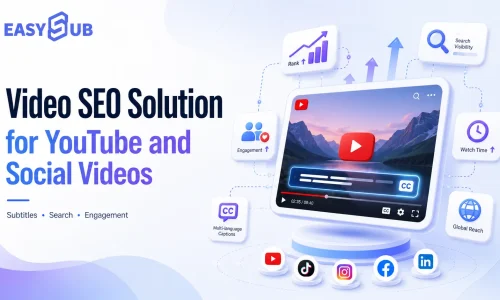
การทำ SEO สำหรับวิดีโอได้กลายเป็นปัจจัยสำคัญในการขับเคลื่อนการเติบโตของวิดีโอ บนแพลตฟอร์มอย่าง YouTube อัลกอริทึมต่างๆ พึ่งพาการทำความเข้าใจเนื้อหามากขึ้นเรื่อยๆ เพื่อกำหนดอันดับและคำแนะนำของวิดีโอ การเพิ่มประสิทธิภาพแบบเดิมๆ ด้วยชื่อ แท็ก และคำอธิบายจึงไม่เพียงพอต่อกลไกการค้นหาและคำแนะนำในปัจจุบันอีกต่อไป แพลตฟอร์มต่างๆ กำลังเปลี่ยนไปใช้ระบบการทำความเข้าใจเนื้อหาที่ใช้ AI มากขึ้น.
หัวใจหลักของการทำ SEO วิดีโอ กำลังเปลี่ยนจากการ “เพิ่มประสิทธิภาพคำหลัก” ไปสู่ “เพิ่มประสิทธิภาพความเข้าใจในเนื้อหา” ในบริบทนี้ คำบรรยายได้กลายเป็นปัจจัยสำคัญที่มีอิทธิพลต่อการจัดอันดับวิดีโอ วิดีโอที่มีคำบรรยายมักจะมีเวลาในการรับชมสูงกว่าและมองเห็นได้ชัดเจนในการค้นหามากกว่า คู่มือนี้จะอธิบายตรรกะหลักของการทำ SEO วิดีโออย่างเป็นระบบ และเน้นไปที่วิธีที่คำบรรยายที่สร้างโดย AI สามารถเพิ่มประสิทธิภาพ SEO ของ YouTube และขับเคลื่อนการเติบโตของการเข้าชมแบบออร์แกนิกได้.
สารบัญ
เหตุใดวิดีโอส่วนใหญ่จึงล้มเหลวในการทำ SEO วิดีโอ
วิดีโอส่วนใหญ่มีประสิทธิภาพต่ำในการทำ SEO วิดีโอ และเหตุผลหลักก็คือ เครื่องมือค้นหาไม่สามารถเข้าใจเนื้อหาวิดีโอได้อย่างถูกต้อง, โดยเฉพาะอย่างยิ่งในสภาพแวดล้อม SEO ของ YouTube.
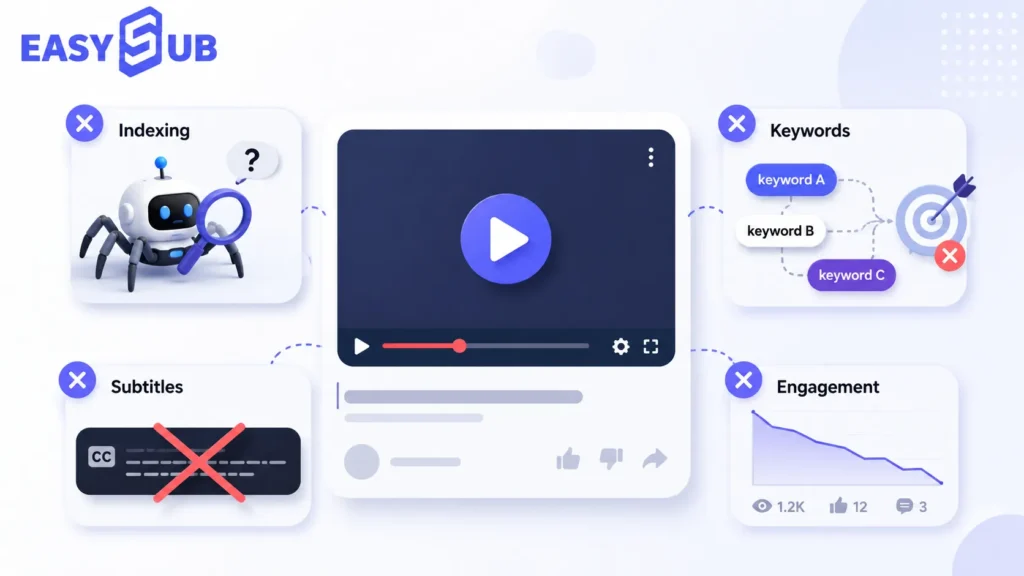
1. การจัดทำดัชนีล้มเหลว
วิดีโอจำนวนมากไม่ปรากฏในผลการค้นหาที่ถูกต้อง เนื่องจากขาดข้อมูลข้อความที่เป็นโครงสร้าง เครื่องมือค้นหาส่วนใหญ่ใช้ชื่อเรื่อง คำอธิบาย และคำบรรยายย่อยในการทำความเข้าใจเนื้อหา หากไม่มีข้อมูลที่เพียงพอ การจัดทำดัชนีวิดีโออย่างถูกต้องจึงเป็นเรื่องยาก.
2. การกำหนดเป้าหมายคำหลักที่ไม่แม่นยำ
วิดีโอบางรายการสร้างปริมาณการเข้าชมได้ แต่การจัดเรียงคำหลักไม่เป็นระเบียบ เมื่อชื่อวิดีโอไม่ตรงกับเนื้อหา ระบบจะไม่สามารถระบุหัวข้อของวิดีโอได้ ซึ่งส่งผลต่ออันดับการค้นหาและความเกี่ยวข้องของคำแนะนำ.
3. กลยุทธ์ไม่มีคำบรรยาย
คำบรรยายเป็นส่วนสำคัญที่สุดแต่กลับถูกมองข้ามมากที่สุดใน SEO สำหรับวิดีโอ หากไม่มีคำบรรยาย เครื่องมือค้นหาจะไม่สามารถวิเคราะห์เนื้อหาเชิงความหมายของวิดีโอได้อย่างครบถ้วน ซึ่งจะลดความสามารถในการจัดทำดัชนีและการครอบคลุมคำหลักของเนื้อหาลงโดยตรง.
4. สัญญาณการมีส่วนร่วมของผู้ใช้ที่อ่อนแอ
ถึงแม้จะได้รับการแนะนำแล้ว วิดีโอก็อาจยังไม่ประสบความสำเร็จได้ โดยทั่วไปแล้วเป็นเพราะเวลาในการรับชมต่ำและอัตราการมีส่วนร่วมไม่เพียงพอ อัลกอริทึมจะลดน้ำหนักการแนะนำของวิดีโอเหล่านั้นอย่างรวดเร็ว.
การเพิ่มประสิทธิภาพ SEO สำหรับวิดีโอพร้อมคำบรรยายคืออะไร?
การเพิ่มประสิทธิภาพ SEO สำหรับวิดีโอ (ควบคู่กับคำบรรยาย) หมายถึงกระบวนการเพิ่มความสามารถของเครื่องมือค้นหาและอัลกอริธึมของแพลตฟอร์มในการจดจำเนื้อหาวิดีโอ โดยการเพิ่มประสิทธิภาพสัญญาณที่เกี่ยวข้องกับความเข้าใจง่ายของวิดีโอ ซึ่งจะช่วยปรับปรุงประสิทธิภาพการจัดอันดับของวิดีโอในผลการค้นหาและระบบแนะนำ.
การทำ SEO สำหรับวิดีโอโดยเฉพาะนั้นอาศัยกลไกหลักสามประการดังต่อไปนี้:
1. เครื่องมือค้นหาอาศัยข้อมูลที่เป็นข้อความ
เครื่องมือค้นหาไม่สามารถเข้าใจเนื้อหาวิดีโอได้โดยตรง โดยส่วนใหญ่จะอาศัยข้อมูลที่เป็นข้อความ เช่น ชื่อเรื่อง คำอธิบาย และคำบรรยาย เพื่อกำหนดเนื้อหาของวิดีโอ.
2. คำบรรยายแปลงไฟล์เสียงให้เป็นเนื้อหาที่สามารถจัดทำดัชนีได้
คำบรรยายจะแปลงเนื้อหาเสียงของวิดีโอให้เป็นข้อความที่มีโครงสร้าง ข้อความนี้สามารถถูกรวบรวม วิเคราะห์ และจัดทำดัชนีโดยเครื่องมือค้นหา ซึ่งจะช่วยขยายขอบเขตการครอบคลุมคำหลักของวิดีโอโดยตรง.
3. ระบบ AI อาศัยคำบรรยายเพื่อความเข้าใจความหมาย
ในระบบแนะนำสมัยใหม่ AI ไม่เพียงแต่พิจารณาคำหลักเท่านั้น แต่ยังวิเคราะห์ความสัมพันธ์ทางความหมายด้วย คำบรรยายให้บริบทที่สมบูรณ์ ทำให้ระบบสามารถระบุหัวข้อและความเกี่ยวข้องของวิดีโอได้อย่างแม่นยำยิ่งขึ้น.
วิธีการทำงานของ SEO วิดีโอบน YouTube และ Google
วิธีการทำงานของ SEO วิดีโอใน YouTube และ Google นั้นโดยพื้นฐานแล้วเกี่ยวข้องกับการใช้สัญญาณหลายชั้นเพื่อประเมิน "ความเข้าใจง่าย ความเกี่ยวข้อง และคุณค่าสำหรับผู้ใช้" ของวิดีโอโดยรวม ซึ่งจะส่งผลต่อการจัดอันดับและน้ำหนักการแนะนำของวิดีโอนั้น.
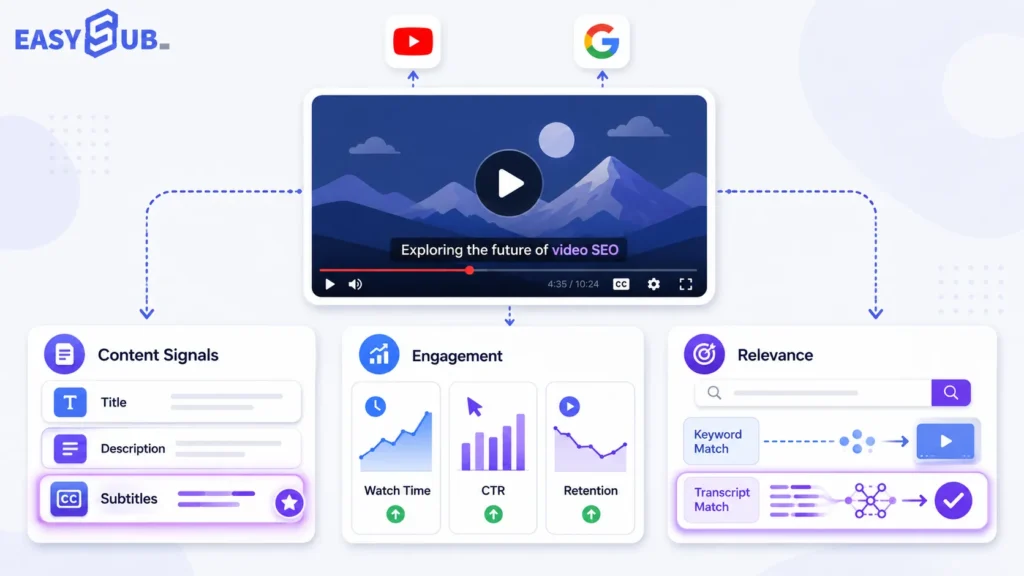
1. สัญญาณเนื้อหา
นี่คือชั้นพื้นฐานที่เครื่องมือค้นหาใช้ในการทำความเข้าใจเนื้อหาวิดีโอ.
- หัวข้อ: ใช้เพื่อระบุหัวข้อและคำหลักหลัก
- คำอธิบาย: ให้ความหมายเชิงบริบทเพิ่มเติม
- คำบรรยาย: จัดทำคำบรรยายที่สมบูรณ์ของเสียง ซึ่งเป็นหนึ่งในสัญญาณที่สำคัญที่สุดสำหรับการทำความเข้าใจ
2. สัญญาณการมีส่วนร่วม
แพลตฟอร์มต่างๆ ประเมินคุณภาพวิดีโอโดยพิจารณาจากพฤติกรรมของผู้ใช้ สัญญาณเหล่านี้จะเป็นตัวกำหนดว่าวิดีโอนั้นจะถูกนำไปรวมไว้ในกลุ่มผู้ชมที่กว้างขึ้นหรือไม่.
- ระยะเวลาในการรับชม: ระยะเวลาที่นานขึ้นแสดงถึงคุณค่าของเนื้อหาที่สูงขึ้น
- CTR (อัตราการคลิกผ่าน): ชื่อเรื่องและภาพขนาดย่อดึงดูดให้ผู้ใช้คลิกหรือไม่
- การรักษาฐานลูกค้า: ผู้ใช้ยังคงรับชมวิดีโอต่อไปหรือไม่
3. การจับคู่ความเกี่ยวข้อง
ระบบจะตรวจสอบว่าวิดีโอตรงกับความตั้งใจในการค้นหาของผู้ใช้หรือไม่:
- การจับคู่คำหลัก:
การจับคู่คำหลักเป็นตรรกะการประเมินขั้นพื้นฐานที่สุด ระบบจะสแกนชื่อ คำอธิบาย และแท็กของวิดีโอเพื่อระบุว่ามีคำหลักที่ผู้ใช้ค้นหาอยู่หรือไม่ อย่างไรก็ตาม วิธีนี้มีข้อจำกัดที่ชัดเจน คำหลักอาจถูกปรับแต่งอย่างไม่เป็นธรรมชาติหรือแม้แต่ถูกยัดเยียด แต่ไม่ได้สะท้อนถึงคุณภาพของเนื้อหาวิดีโอหรือความลึกซึ้งของหัวข้ออย่างแท้จริง ดังนั้นจึงเป็นเพียงปัจจัยผิวเผินมากกว่าจะเป็นพื้นฐานสุดท้ายในการตัดสิน. - การจับคู่เอกสารถอดเสียง:
การจับคู่ข้อความถอดเสียงเป็นกลไกที่สำคัญยิ่งขึ้นใน SEO วิดีโอในปัจจุบัน ระบบจะแปลงเนื้อหาเสียงของวิดีโอเป็นข้อความ (ข้อความถอดเสียง) จากนั้นทำการวิเคราะห์ความหมายโดยรวม ขั้นตอนนี้ไม่ได้เป็นเพียงแค่การระบุคำหลักเท่านั้น แต่ยังเกี่ยวข้องกับการทำความเข้าใจข้อความทั้งหมดของวิดีโอ รวมถึงธีม โครงสร้างเชิงตรรกะ และความสัมพันธ์ตามบริบทด้วย.
4. เหตุใดการถอดเสียงจึงมีผลต่อความแม่นยำของการจับคู่ความหมาย
คำบรรยายมีความสำคัญอย่างยิ่งต่อการจับคู่ความเกี่ยวข้อง เนื่องจากให้ข้อมูลเนื้อหาที่ครอบคลุมมากที่สุด ประการแรก คำบรรยายเป็นการถ่ายทอดเสียงของวิดีโอออกมาเป็นข้อความอย่างสมบูรณ์ เมื่อเทียบกับชื่อเรื่องและคำอธิบายแล้ว คำบรรยายมีรายละเอียดมากกว่าและใกล้เคียงกับเนื้อหาจริงมากกว่า ประการที่สอง คำบรรยายโดยธรรมชาติแล้วจะมีคำหลักแบบยาว (long-tail keywords) และคำค้นหาของผู้ใช้จริงจำนวนมาก องค์ประกอบเหล่านี้มักไม่ปรากฏในชื่อเรื่อง แต่เป็นตัวขับเคลื่อนหลักของพฤติกรรมการค้นหา.
ในที่สุด ระบบแนะนำด้วย AI สมัยใหม่ไม่ได้อาศัยการจับคู่คำหลักแบบง่ายๆ อีกต่อไป แต่ใช้โมเดลการประมวลผลภาษาธรรมชาติเพื่อทำความเข้าใจความหมายแทน คำบรรยายเป็นข้อมูลป้อนเข้าที่เป็นข้อความที่มีโครงสร้างเหมาะสมที่สุดสำหรับการประมวลผลด้วย AI.
ตัวอย่างเช่น ผู้ใช้ค้นหา "วิธีแก้ไขปัญหาแล็ปท็อปช้า"“
หากชื่อวิดีโอคือ “5 วิธีเร่งความเร็วคอมพิวเตอร์ของคุณ” ชื่อวิดีโออาจไม่ตรงกับคำค้นหาทั้งหมด แต่คำบรรยายใต้ภาพจะกล่าวถึงหัวข้อต่างๆ อย่างละเอียด เช่น “การปิดโปรแกรมที่ทำงานอยู่เบื้องหลัง การล้างแคช และการลดจำนวนโปรแกรมที่เริ่มต้นทำงานเมื่อเปิดเครื่อง”.
ในสถานการณ์นี้ แม้ว่าชื่อวิดีโอจะไม่ตรงกันเป๊ะ ๆ แต่ระบบก็ยังสามารถเข้าใจได้จากคำบรรยายว่าเนื้อหาของวิดีโอมีความเกี่ยวข้องกับคำค้นหาของผู้ใช้เป็นอย่างมาก ดังนั้นวิดีโอจึงยังมีโอกาสที่จะติดอันดับสูงหรือได้รับการแนะนำ.
กลยุทธ์ SEO สำหรับคำบรรยาย YouTube
ในระบบอัลกอริทึมของ YouTube คำบรรยายได้พัฒนาจากฟีเจอร์อำนวยความสะดวกไปสู่แหล่งข้อมูลสำคัญที่บ่งบอกถึงเนื้อหา.
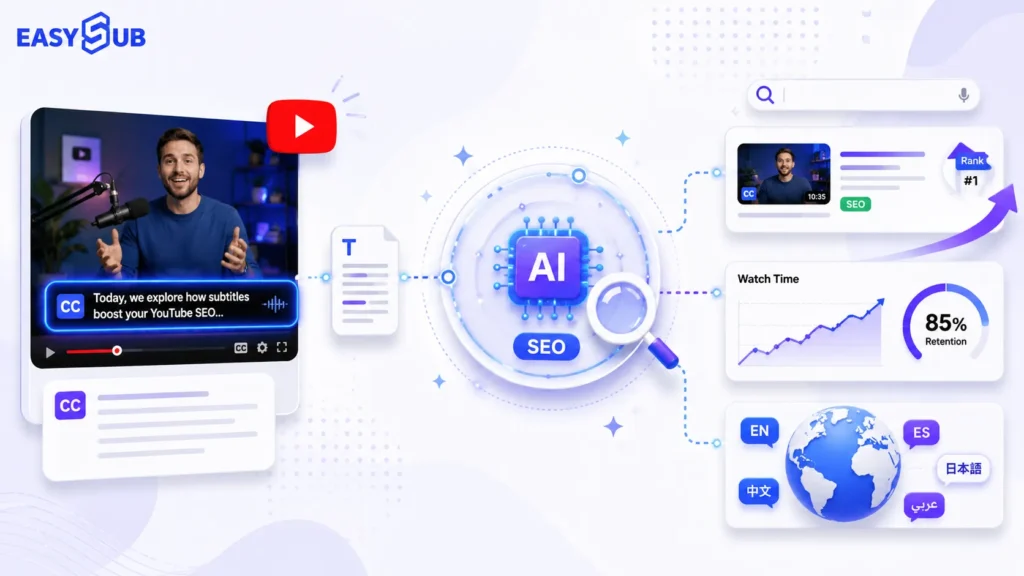
เหตุใดคำบรรยายจึงมีความสำคัญต่อ SEO ของ YouTube
ประโยชน์ของคำบรรยายต่อการทำ SEO บน YouTube นั้นสะท้อนให้เห็นได้ในสามด้านหลัก ๆ.
ประการแรก คำบรรยายสามารถขยายขอบเขตการครอบคลุมคำหลักได้อย่างมาก ภาษาธรรมชาติที่พูดในวิดีโอจะถูกถอดเสียงเป็นข้อความอย่างสมบูรณ์ ซึ่งจะเพิ่มโอกาสที่คำหลักแบบยาว (long-tail keywords) จะปรากฏขึ้น ทำให้วิดีโอสามารถตรงกับความตั้งใจในการค้นหาที่หลากหลายได้ง่ายขึ้น.
ประการที่สอง คำบรรยายช่วยเพิ่มการมองเห็นในผลการค้นหา เครื่องมือค้นหาสามารถรวบรวมข้อมูลจากคำบรรยายได้โดยตรง ทำให้เข้าใจเนื้อหาของวิดีโอได้แม่นยำยิ่งขึ้น ซึ่งจะเพิ่มโอกาสที่วิดีโอจะปรากฏในผลการค้นหา.
สุดท้ายนี้ คำบรรยายสามารถเพิ่มระยะเวลาการรับชมได้ เมื่อผู้ใช้รับชมวิดีโอในสภาพแวดล้อมที่มีเสียงดังหรือในภาษาที่ไม่ใช่ภาษาแม่ คำบรรยายจะช่วยให้พวกเขาเข้าใจเนื้อหาได้ดีขึ้น ซึ่งจะช่วยเพิ่มอัตราการจดจำเนื้อหาได้.
คำบรรยายมีผลต่อการจัดอันดับอย่างไร
ผลกระทบของคำบรรยายต่อการจัดอันดับนั้นเกิดจากกลไกหลักสามประการ.
อย่างแรกคือการจัดทำดัชนีคำบรรยาย ระบบจะแปลงเนื้อหาคำบรรยายให้เป็นข้อความที่สามารถค้นหาได้ ซึ่งจะช่วยสร้างโครงสร้างดัชนีเนื้อหาที่ครอบคลุมมากขึ้น.
ประการที่สองคือความเข้าใจเชิงความหมาย AI วิเคราะห์ธีมโดยรวมของวิดีโอโดยพิจารณาจากคำบรรยาย แทนที่จะพึ่งพาเฉพาะชื่อเรื่องหรือแท็ก ซึ่งช่วยให้การจับคู่เนื้อหามีความแม่นยำยิ่งขึ้น.
สุดท้ายนี้ ข้อดีคือการเข้าถึงได้หลายภาษา คำบรรยายสามารถแปลเป็นหลายภาษา ทำให้วิดีโอปรากฏในระบบค้นหาและระบบแนะนำในภูมิภาคต่างๆ และขยายแหล่งที่มาของการเข้าชมได้.
วิธีการทำ SEO สำหรับวิดีโอ YouTube
Lorem ipsum dolor นั่ง amet, consectetur adipiscing elit. Ut elit tellus, luctus nec ullamcorper mattis, pulvinar dapibus leo. Lorem ipsum dolor นั่ง amet, consectetur adipiscing elit.
ขั้นตอนที่ 1: การค้นหาคำหลัก
ขั้นตอนแรกคือการระบุว่าผู้ใช้กำลังค้นหาอะไรอยู่ คุณต้องระบุสิ่งต่อไปนี้:
- คำหลักหลัก (เช่น SEO สำหรับ YouTube)
- คำหลักแบบยาว (เช่น “วิธีการทำ SEO สำหรับวิดีโอ YouTube”)
- คำหลักที่เกี่ยวข้องกับการค้นหา (บทช่วยสอน เครื่องมือ วิธีการ)
คำสำคัญช่วยให้ระบบเข้าใจว่าควรแนะนำวิดีโอนี้ให้กับใคร.
ขั้นตอนที่ 2: ปรับแต่งชื่อเรื่องและคำอธิบายให้เหมาะสม
ขั้นตอนที่สองคือการตรวจสอบให้แน่ใจว่าเนื้อหาวิดีโอมีโครงสร้างความหมายที่ชัดเจน.
ชื่อวิดีโอควรมีคำหลักโดยตรงและสื่อถึงคุณค่าของวิดีโอได้อย่างชัดเจน.
คำอธิบายควรให้ข้อมูลเชิงความหมายเพิ่มเติม แทนที่จะเพียงแค่กล่าวซ้ำชื่อเรื่อง จุดประสงค์คือเพื่อช่วยให้เครื่องมือค้นหาเข้าใจบริบทของวิดีโอ.
ขั้นตอนที่ 3: เพิ่มคำบรรยายที่สร้างโดย AI (ขั้นตอนหลักสำหรับการเพิ่มประสิทธิภาพคำบรรยาย)
ขั้นตอนที่สามเป็นส่วนที่สำคัญที่สุดของการทำ SEO วิดีโอ นั่นคือ การเพิ่มคำบรรยายคุณภาพสูง คำบรรยายจะแปลงเนื้อหาเสียงของวิดีโอให้เป็นข้อความที่สมบูรณ์ ทำให้เครื่องมือค้นหาสามารถเข้าใจข้อมูลทั้งหมดของวิดีโอได้ กระบวนการนี้ส่งผลโดยตรงต่อสามด้านหลัก:
- ความสมบูรณ์ของการจัดทำดัชนีโดยเครื่องมือค้นหา (วิดีโอจะกลายเป็นเนื้อหาที่ค้นหาได้)
- ความเข้าใจเชิงความหมาย (AI สามารถเข้าใจหัวข้อทั้งหมดได้)
- การครอบคลุมคำหลักแบบ Long-tail (การขยายคำในภาษาธรรมชาติ)
ในแง่ของผลลัพธ์ที่แท้จริง คำบรรยายมักมีผลกระทบต่อประสิทธิภาพการจัดอันดับมากกว่าชื่อเรื่องและคำอธิบาย เนื่องจากคำบรรยายให้เนื้อหาที่สมบูรณ์ยิ่งขึ้น ขั้นตอนนี้มักดำเนินการโดยอัตโนมัติโดยใช้ เครื่องมือคำบรรยาย AI เพื่อเพิ่มประสิทธิภาพและความแม่นยำ.
ขั้นตอนที่ 4: ปรับปรุงสัญญาณการมีส่วนร่วม (การเพิ่มประสิทธิภาพพฤติกรรมผู้ใช้)
ขั้นตอนสุดท้ายคือการปรับปรุงข้อมูลพฤติกรรมผู้ใช้ของวิดีโอ หัวใจสำคัญของการปรับปรุงสัญญาณการมีส่วนร่วมคือ: ทำให้ผู้ใช้มีแนวโน้มที่จะคลิกมากขึ้น มีแนวโน้มที่จะดูจนจบมากขึ้น และมีแนวโน้มที่จะมีปฏิสัมพันธ์มากขึ้น.
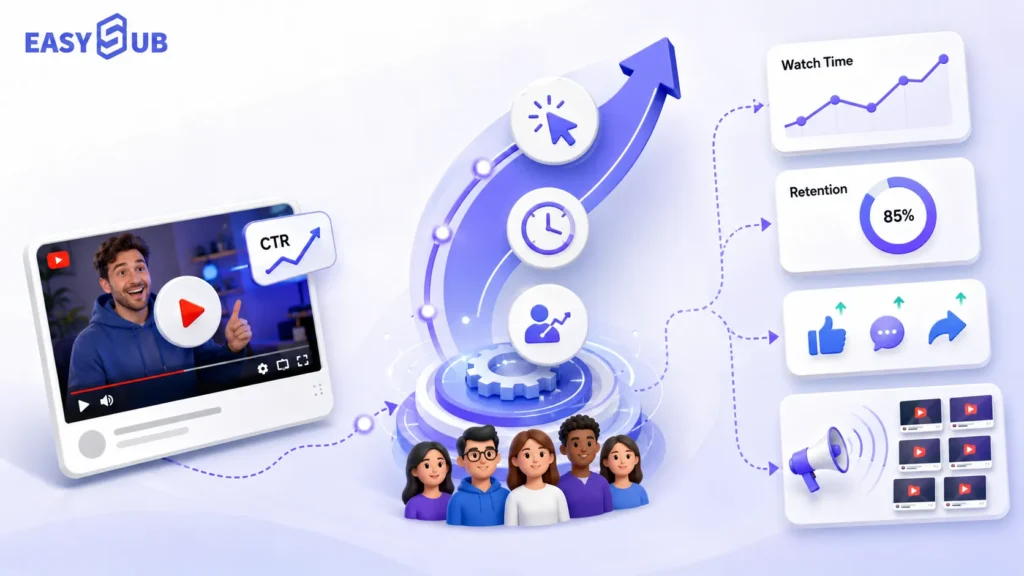
- เวลาดู:
เพื่อเพิ่มระยะเวลาการรับชม สิ่งสำคัญคือต้องส่งมอบคุณค่าหลักภายใน 10 วินาทีแรก ทำให้ผู้ใช้เข้าใจอย่างชัดเจนว่าวิดีโอนี้ช่วยแก้ปัญหาอะไร ในขณะเดียวกัน โครงสร้างของเนื้อหาต้องชัดเจน การนำเสนอเนื้อหาในรูปแบบทีละขั้นตอนหรือแบบแยกส่วนสามารถลดอัตราการเลิกรับชมของผู้ใช้ได้. - CTR (อัตราการคลิกผ่าน):
อัตราการคลิก (CTR) เป็นตัวกำหนดว่าผู้ใช้จะคลิกดูวิดีโอหรือไม่ มันคือประตูสู่การเข้าชมเว็บไซต์ ชื่อวิดีโอควรตรงกับความตั้งใจในการค้นหาของผู้ใช้ ไม่ใช่แค่การอธิบายเนื้อหาเฉยๆ ภาพขนาดย่อควรมีจุดโฟกัสที่ชัดเจนเพื่อให้ผู้ใช้เข้าใจหัวข้อได้ในทันที ชื่อวิดีโอและภาพขนาดย่อควรสร้างช่องว่างของข้อมูล กระตุ้นให้ผู้ใช้คิดว่า “ฉันต้องคลิกเพื่อหาคำตอบ” - การรักษาฐานลูกค้า:
สาระสำคัญของการรักษาฐานลูกค้าคือ การให้ข้อมูลเพิ่มเติมอย่างต่อเนื่อง. เนื้อหาวิดีโอต้องนำเสนอข้อมูลที่มีคุณค่าอย่างสม่ำเสมอ แทนที่จะเป็นการอธิบายซ้ำๆ แต่ละส่วนควรนำเสนอข้อมูลใหม่หรือมุมมองใหม่ๆ ควรปรับเปลี่ยนจังหวะการนำเสนอ เช่น สลับระหว่างกรณีศึกษา การเปรียบเทียบ หรือข้อสรุป หลีกเลี่ยงการพูดคนเดียวเป็นเวลานาน.
โปรแกรมสร้างคำบรรยาย AI สำหรับ SEO วิดีโอ
เครื่องมือสร้างคำบรรยายด้วย AI จะแปลงเสียงเป็นข้อความโดยอัตโนมัติ ช่วยให้เครื่องมือค้นหาเข้าใจและจัดทำดัชนีวิดีโอได้เร็วขึ้น ซึ่งจะช่วยปรับปรุงอันดับโดยรวมและประสิทธิภาพการเข้าชมเว็บไซต์.
AI แปลงเสียงเป็นข้อความ

เทคโนโลยี AI แปลงเสียงเป็นข้อความจะจดจำเนื้อหาเสียงพูดในวิดีโอโดยอัตโนมัติและแปลงเป็นข้อความที่มีโครงสร้าง กระบวนการนี้ช่วยลดต้นทุนในการสร้างคำบรรยายด้วยตนเอง จากมุมมอง SEO ข้อความนี้สามารถอ่านได้โดยตรงโดยเครื่องมือค้นหา ซึ่งจะช่วยปรับปรุงการจัดทำดัชนีของวิดีโอ.
คำบรรยายอัตโนมัติ
ที่ คำบรรยายอัตโนมัติ ฟังก์ชันนี้สร้างคำบรรยายได้อย่างรวดเร็วและซิงโครไนซ์กับไทม์ไลน์ของวิดีโอ.
คำบรรยายหลายภาษา
ฟีเจอร์คำบรรยายหลายภาษาจะแปลเนื้อหาวิดีโอเป็นภาษาต่างๆ โดยอัตโนมัติ.
การส่งออก SRT / VTT
การสนับสนุนสำหรับ เอสอาร์ทีและวีทีที การส่งออกไฟล์ในรูปแบบมาตรฐานช่วยให้คำบรรยายเข้ากันได้กับแพลตฟอร์มหลัก ๆ รูปแบบมาตรฐานเหล่านี้สามารถนำไปใช้โดยตรงสำหรับการอัปโหลดวิดีโอหรือระบบฝังวิดีโอ นอกจากนี้ยังช่วยอำนวยความสะดวกในการแก้ไขเพิ่มเติมและการเผยแพร่ข้ามแพลตฟอร์มอีกด้วย.
เลือก EasySub

EasySub เป็นเครื่องมือที่ออกแบบมาเพื่อสร้างคำบรรยายด้วย AI และเพิ่มประสิทธิภาพ SEO สำหรับวิดีโอ ช่วยให้ผู้ใช้สามารถแปลงเสียงเป็นข้อความ แปลหลายภาษา และส่งออกไฟล์ SRT/VTT ได้อย่างรวดเร็ว ซึ่งจะช่วยปรับปรุงประสิทธิภาพของวิดีโอในระบบค้นหาและระบบแนะนำ.
คำถามที่พบบ่อย
คำถามที่ 1: SEO วิดีโอคืออะไร?
การทำ SEO สำหรับวิดีโอ หมายถึงกระบวนการปรับโครงสร้างเนื้อหาและความเข้าใจง่ายของวิดีโอ เพื่อให้ได้การมองเห็นและการจัดอันดับที่สูงขึ้นในเครื่องมือค้นหาและระบบแนะนำของแพลตฟอร์มต่างๆ ซึ่งครอบคลุมไม่เพียงแค่การปรับแต่งชื่อและคำอธิบายเท่านั้น แต่ยังรวมถึงสัญญาณอื่นๆ เช่น คำบรรยายและข้อมูลพฤติกรรมของผู้ใช้ด้วย.
คำถามที่ 2: คำบรรยายวิดีโอช่วยปรับปรุง SEO สำหรับวิดีโอของคุณได้อย่างไร?
คำบรรยายจะแปลงเนื้อหาเสียงในวิดีโอให้เป็นข้อความที่สามารถจัดทำดัชนีได้ เครื่องมือค้นหาสามารถอ่านข้อความนี้ได้โดยตรง ทำให้เข้าใจเนื้อหาของวิดีโอได้แม่นยำยิ่งขึ้น นอกจากนี้ คำบรรยายยังช่วยขยายขอบเขตการครอบคลุมคำหลักและเพิ่มประสิทธิภาพการจับคู่ความหมาย อีกทั้งยังช่วยปรับปรุงประสบการณ์การรับชมของผู้ใช้และเพิ่มอัตราการจดจำอีกด้วย.
คำถามที่ 3: วิธีการทำ SEO สำหรับวิดีโอ YouTube?
การทำ SEO บน YouTube จำเป็นต้องปรับแต่งปัจจัยหลักหลายอย่างพร้อมกัน.
ขั้นแรก ปรับแต่งชื่อเรื่องและคำอธิบายให้มีคำหลักที่สำคัญและสอดคล้องกับความตั้งใจในการค้นหาของผู้ใช้ ขั้นที่สอง ปรับปรุงตัวชี้วัดการมีส่วนร่วมของผู้ใช้ รวมถึงอัตราการคลิกผ่าน เวลาในการรับชม และอัตราการคงอยู่ของผู้ใช้ ขั้นตอนที่สำคัญที่สุดคือการเพิ่มคำบรรยายคุณภาพสูง เนื่องจากคำบรรยายมีผลโดยตรงต่อการจัดทำดัชนีเนื้อหาและความเข้าใจเชิงความหมาย ด้วยการปรับโครงสร้างเนื้อหาอย่างต่อเนื่อง คุณจะสามารถเพิ่มประสิทธิภาพการแนะนำโดยรวมได้.
คำถามที่ 4: คำบรรยายช่วยเพิ่มอันดับ SEO ของวิดีโอหรือไม่?
คำบรรยายสามารถช่วยเพิ่มประสิทธิภาพการจัดอันดับวิดีโอใน SEO ของ YouTube ได้อย่างมาก เนื่องจากคำบรรยายจะแปลงเสียงพูดเป็นข้อความที่สามารถจัดทำดัชนีได้ ทำให้เครื่องมือค้นหาเข้าใจเนื้อหาได้ดียิ่งขึ้น นอกจากนี้ คำบรรยายยังช่วยขยายขอบเขตการครอบคลุมคำหลักและเพิ่มความแม่นยำในการจับคู่ความหมาย ทำให้วิดีโอปรากฏในผลการค้นหาและฟีดแนะนำที่เกี่ยวข้องได้ง่ายขึ้น.
Q5: ปัจจัยการจัดอันดับที่สำคัญที่สุดในการทำ SEO บน YouTube คืออะไร?
ปัจจัยหลักในการจัดอันดับ SEO ของ YouTube สามารถแบ่งออกได้เป็นสามประเภท.
ประการแรกคือ สัญญาณที่บ่งบอกถึงความเข้าใจในเนื้อหา ซึ่งได้แก่ ชื่อเรื่อง คำอธิบาย และคำบรรยายย่อย.
ประการที่สองคือสัญญาณพฤติกรรมผู้ใช้ ซึ่งรวมถึงอัตราการคลิกผ่าน เวลาในการรับชม และอัตราการคงอยู่ของผู้ชม.
สุดท้ายนี้ ยังมีสัญญาณการจับคู่ความเกี่ยวข้อง ซึ่งรวมถึงการจับคู่คำหลักและการจับคู่ความหมายของคำบรรยาย.
ปัจจุบัน การทำ SEO สำหรับวิดีโอได้เปลี่ยนจากการเพิ่มประสิทธิภาพคำหลักไปเป็นการเพิ่มประสิทธิภาพความเข้าใจในเนื้อหา บนแพลตฟอร์มอย่าง YouTube คำบรรยายกำลังกลายเป็นปัจจัยสำคัญที่มีผลต่อการจัดอันดับและการเติบโตของจำนวนผู้เข้าชม.
หากคุณต้องการปรับปรุงประสิทธิภาพ SEO ของวิดีโอของคุณให้เร็วขึ้น วิธีที่ตรงที่สุดคือการเพิ่มประสิทธิภาพคุณภาพของคำบรรยายวิดีโอของคุณ คำบรรยายคุณภาพสูงไม่เพียงแต่ช่วยเพิ่มการมองเห็นในการค้นหาเท่านั้น แต่ยังช่วยเพิ่มความเข้าใจในความหมายและประสบการณ์การรับชมของผู้ใช้ด้วย.
EasySub คือเครื่องมือที่ออกแบบมาเพื่อสร้างคำบรรยายวิดีโอด้วยระบบ AI และเพิ่มประสิทธิภาพ SEO สำหรับวิดีโอ ช่วยให้คุณทำสิ่งต่อไปนี้ได้อย่างรวดเร็ว:
- การสร้างคำบรรยายอัตโนมัติจากเสียงพูดเป็นข้อความด้วย AI
- การซิงโครไนซ์ไทม์ไลน์ที่มีความแม่นยำสูง
- การแปลคำบรรยายหลายภาษา
- การส่งออกไฟล์คำบรรยาย SRT / VTT
ใช้ EasySub เพื่อสร้างรากฐาน SEO สำหรับวิดีโอของคุณ ทำให้เนื้อหาของคุณค้นพบ แนะนำ และแชร์ได้ง่ายขึ้น.
👉 คลิกที่นี่เพื่อทดลองใช้ฟรี: easyssub.com
ขอบคุณที่อ่านบล็อกนี้. อย่าลังเลที่จะติดต่อเราหากมีคำถามเพิ่มเติมหรือต้องการการปรับแต่ง!