What Are SDH Subtitles
When you see the subtitle option labeled “English SDH” on Netflix, Amazon Prime, or Blu-ray discs, it’s not just another name for “regular English subtitles.” SDH subtitles (Subtitles for the Deaf and Hard of Hearing) represent a more comprehensive and inclusive subtitling standard designed specifically for the deaf and hard-of-hearing. They are also increasingly becoming the default choice on mainstream video platforms. So, what are SDH subtitles? What does SDH mean in subtitles? And what exactly does English SDH refer to? This article systematically explores the true meaning and value of SDH subtitles—covering their definition, distinctions, application scenarios, and production methods.
SDH subtitles stand for Subtitles for the Deaf and Hard of Hearing. Unlike standard subtitles that merely transcribe dialogue, the core objective of SDH subtitles is to convey all critical information within a video—including both verbal content and non-verbal auditory elements. This ensures viewers who cannot hear audio normally receive an experience as close as possible to that of viewers with normal hearing.

Specifically, SDH captions not only transcribe spoken dialogue but also explicitly label crucial audio elements such as:
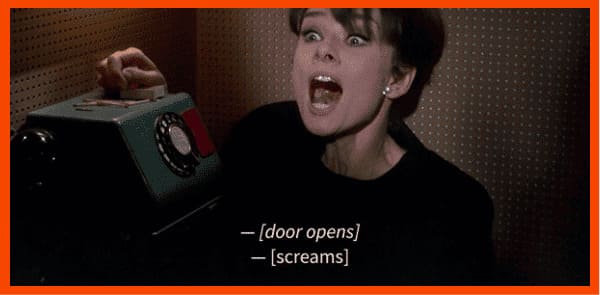
These elements are typically presented in square brackets or descriptive text, such as [Music plays], [Door closes], [Whispers], etc. This approach is not decorative but constitutes a vital component of SDH as an accessibility standard, serving to compensate for missing auditory information.
When SDH appears in subtitle options or subtitle files, it is not merely a label but explicitly informs viewers that these subtitles contain not only dialogue but also textual descriptions of auditory information. In other words, the true meaning of SDH in subtitles is to reproduce the “auditory information” in the video as completely as possible through text.

Additionally, SDH emphasizes speaker identification and contextual cues. When the speaker is not clearly visible on screen, or when voiceovers, broadcasts, narrations, or similar elements occur, SDH subtitles indicate the source of the audio to prevent viewer confusion. This approach makes SDH functionally superior to standard subtitles, establishing it as a subtitling standard that balances informational completeness with accessibility.
In short, SDH signifies that “audio is no longer implied information but explicitly written out.” This fundamental distinction from standard subtitles explains its widespread adoption across streaming platforms and accessibility standards.
| Dimension | SDH Subtitles | Closed Captions (CC) | Regular Subtitles |
|---|---|---|---|
| Full Name | Subtitles for the Deaf and Hard of Hearing | Closed Captions | Subtitles |
| Target Audience | Deaf & hard of hearing viewers | Deaf & hard of hearing viewers | Hearing viewers |
| Dialogue Included | ✅ Yes | ✅ Yes | ✅ Yes |
| Sound Effects & Music | ✅ Yes | ✅ Yes | ❌ No |
| Speaker / Emotion Labels | ✅ Yes | ✅ Yes | ❌ No |
| Speaker Identification | ✅ Usually | ✅ Yes | ❌ Rare |
| Audio Dependency | ❌ No | ❌ No | ✅ Yes |
| Common Use Cases | Streaming, Blu-ray, global platforms | TV broadcasts | Translation & language learning |
| Typical Language | English SDH, etc. | Same as spoken language | Translated languages |

This is the most fundamental distinction between the three.
This is also the key point many users overlook when searching “what does SDH mean in subtitles.”
Many platforms explicitly require English SDH rather than standard English subtitles.
If you’re hearing impaired, or watching videos in noisy environments or with sound muted, standard subtitles often fall short. SDH subtitles transcribe the information you “can’t hear”—such as shifts in music, ambient sounds, character tone, and emotion. These details directly impact your understanding of the plot, pacing, and atmosphere. For you, SDH isn’t just “more detailed subtitles”; it’s the essential tool that makes content truly accessible and comprehensible.

If you publish content on streaming platforms like Netflix, Amazon Prime, or Disney+, or target international markets, you’ll find that SDH isn’t optional—it’s a standard requirement. Platforms must ensure content meets accessibility guidelines, and SDH is a crucial means of fulfilling these standards. For platforms, providing SDH isn’t just about serving hearing-impaired users; it’s also part of fulfilling legal and social responsibilities.
If you’re a content creator or brand owner, SDH subtitles can directly expand your audience reach. By providing SDH, your videos not only serve hearing-impaired users but also better accommodate silent viewing, non-native speakers, and international distribution. Simultaneously, SDH makes your content appear more professional and standardized to platforms, increasing its likelihood of being recommended, licensed, or redistributed.
Simply put, when you use SDH subtitles, you’re adding “long-term value” to your content—not just solving a subtitling issue.
Misconception 1: SDH is just regular subtitles
In reality, SDH also includes sound effects, music, and emotional descriptions.
Misconception 2: Automatic subtitles are SDH
Automatic subtitles typically only transcribe dialogue and do not meet SDH standards.
Misconception 3: Only the hearing impaired need SDH
Silent viewing and non-native speakers also benefit.
Misconception 4: SDH production must be complex
AI tools have significantly lowered the production barrier.
Misconception 5: SDH and CC are identical
They share similarities but differ in use cases and platform specifications.

In essence, SDH subtitles are not simply an “upgraded version” of standard subtitles, but rather a professional captioning standard centered on accessibility. Once you understand what SDH subtitles are, you’ll discover their true value: they enable all viewers—regardless of hearing ability, viewing environment, or linguistic background—to fully comprehend video content.
With the proliferation of streaming platforms and accessibility standards, SDH is evolving from a “specialized requirement” to an “industry standard.” For content creators, educational institutions, or brands, integrating SDH early in the subtitling workflow not only enhances professionalism and compliance but also significantly expands your content’s long-term reach. With online AI subtitle editors like Easysub, producing compliant SDH subtitles is no longer complex—it’s a high-return, low-barrier content optimization choice.
In many cases, yes. Numerous streaming platforms and public content initiatives have accessibility requirements that explicitly mandate the provision of SDH captions or equivalent subtitles, particularly English SDH.
No. YouTube automatic captions typically only transcribe dialogue content and do not systematically annotate sound effects, music, or emotional cues, thus failing to meet SDH standards.
Yes. AI can efficiently transcribe dialogue and align it with timelines, but complete SDH captions typically require manual additions like sound effects and emotional descriptions. Online AI caption editors like Easysub allow you to easily perform SDH standardization edits on top of the auto-generated content.
Not all videos are required to have them, but if your video is published on streaming platforms, used for educational or public communication purposes, or aims to reach a broader audience, using SDH captions is a safer and more professional choice.
👉 Click here for a free trial: easyssub.com
Thanks for reading this blog. Feel free to contact us for more questions or customization needs!
Do you need to share the video on social media? Does your video have subtitles?…
Do you want to know what are the 5 best automatic subtitle generators? Come and…
Create videos with a single click. Add subtitles, transcribe audio and more
Simply upload videos and automatically get the most accurate transcription subtitles and support 150+ free…
A free web app to download subtitles directly from Youtube, VIU, Viki, Vlive, etc.
Add subtitles manually, automatically transcribe or upload subtitle files